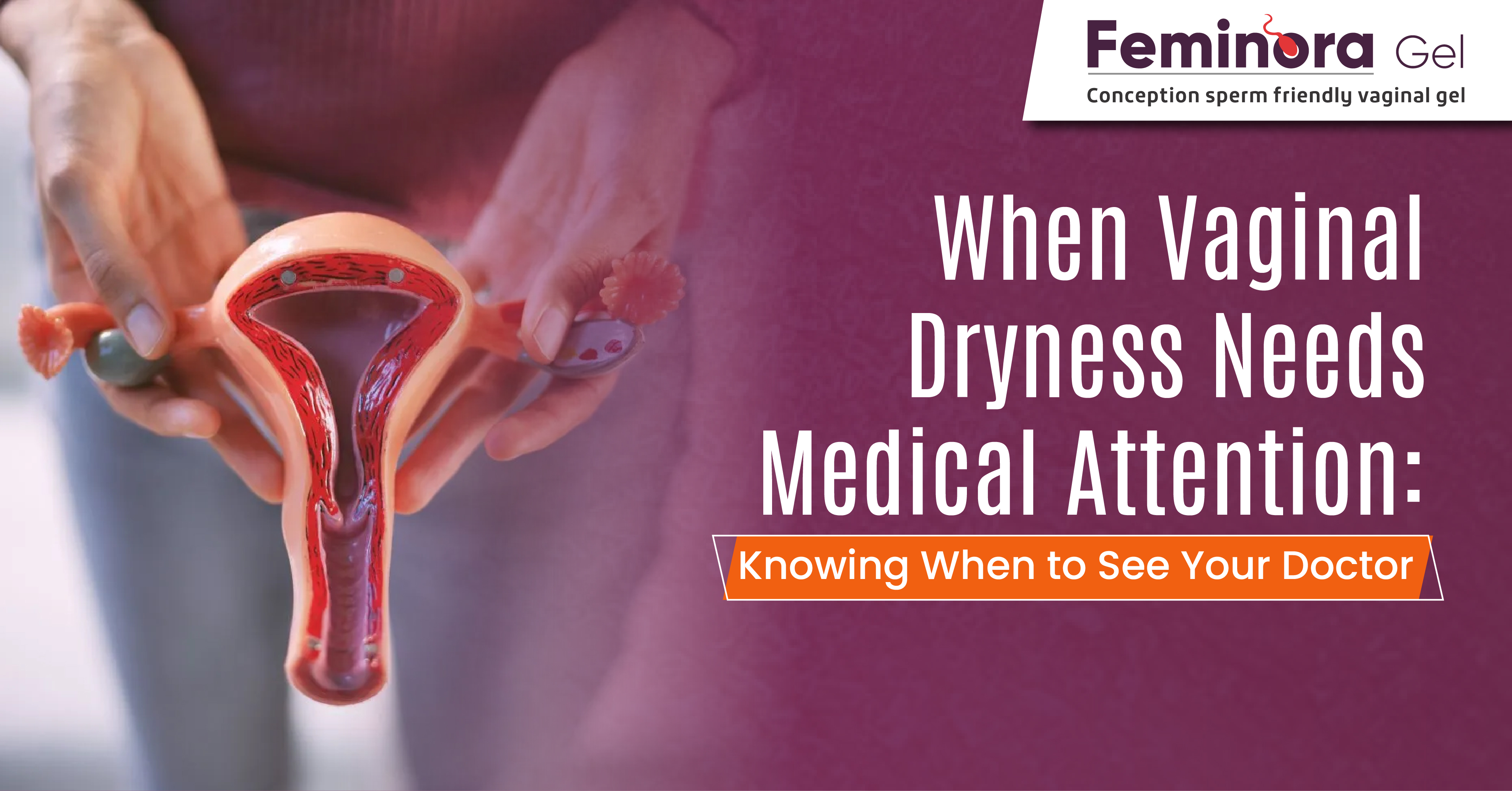
Vaginal dryness is a common condition that can affect women at different life stages, often due to hormonal or lifestyle changes. While mild dryness can usually be managed with self-care, persistent or worsening symptoms may require medical attention. Understanding vaginal dryness symptoms, causes, and warning signs helps women know when professional evaluation is necessary. This guide explains when vaginal dryness should not be ignored and when to seek medical advice.
What Is Vaginal Dryness?
Vaginal dryness occurs when the vaginal tissues lack adequate natural moisture. Healthy vaginal tissue relies on sufficient lubrication and elasticity to remain comfortable and protected. When moisture levels decrease, the vaginal lining may become thin, sensitive, or irritated.
Vaginal dryness is not uncommon and can occur temporarily or persist over time. While some women experience mild dryness without significant discomfort, others may face noticeable vaginal irritation, burning, or pain that affects daily activities and intimate relationships.
Common Vaginal Dryness Causes
Vaginal dryness causes can range from temporary lifestyle factors to underlying medical conditions. Reduced estrogen levels are one of the most common causes, affecting the body’s ability to maintain vaginal moisture and elasticity.
Other contributing factors include stress, dehydration, certain medications, and excessive use of harsh hygiene products. Emotional well-being and overall health also play a role, as chronic stress and fatigue can influence hormone regulation. Identifying the cause is key to choosing the right vaginal dryness treatment approach.
Recognizing Vaginal Dryness Symptoms
Vaginal dryness symptoms may develop gradually or appear suddenly. Common signs include dryness, itching, burning sensations, or vaginal irritation. Some women experience discomfort during daily activities such as walking or sitting for extended periods.
Painful intercourse causes are often linked to vaginal dryness, as reduced lubrication increases friction and sensitivity. Light spotting or increased vulnerability to irritation may also occur. When symptoms persist or interfere with quality of life, they should not be ignored.
When Vaginal Dryness Becomes a Medical Concern
Knowing when to see a doctor for vaginal dryness is essential for protecting long-term vaginal health. Occasional dryness may improve with lifestyle adjustments, but ongoing or worsening symptoms may signal an underlying issue.
Medical attention is recommended if vaginal dryness is accompanied by persistent pain, bleeding, severe irritation, or recurring infections. If discomfort does not improve despite basic care measures, professional evaluation helps identify hormonal, dermatological, or medical causes that require targeted treatment.
Hormonal Causes of Vaginal Dryness
Hormonal causes of vaginal dryness are among the most common reasons women seek medical advice. Estrogen plays a vital role in maintaining vaginal moisture, thickness, and elasticity. When estrogen levels drop, vaginal tissues become drier and more fragile.
Hormonal fluctuations may occur due to menopause, breastfeeding, postpartum recovery, or certain medical treatments. Hormonal imbalance can also increase vaginal discomfort and sensitivity. Addressing these changes with appropriate medical guidance helps restore comfort and prevent complications.
Menopause and Vaginal Dryness
Menopause and vaginal dryness are closely linked due to the natural decline in estrogen levels. Many women experience dryness, irritation, or discomfort during and after menopause. These symptoms may worsen over time if left untreated.
Vaginal dryness during menopause may affect sexual comfort, bladder health, and daily well-being. Because symptoms can progress gradually, women may delay seeking care. Medical advice helps determine whether treatment options are needed to support vaginal tissue health and comfort.
Postpartum Vaginal Dryness
Postpartum vaginal dryness is common, especially during breastfeeding, when estrogen levels remain lower. Women may notice increased dryness, irritation, or discomfort during recovery after childbirth.
While postpartum dryness often improves as hormone levels stabilize, persistent symptoms may require medical attention. Addressing vaginal dryness early supports healing, comfort, and overall postpartum well-being.
Vaginal Dryness Treatment Options
Vaginal dryness treatment depends on the underlying cause and severity of symptoms. Mild cases may respond to lifestyle changes, hydration, and supportive care. However, moderate to severe symptoms may require medical intervention.
Doctors may recommend specific treatments based on hormonal levels, medical history, and symptom severity. Seeking vaginal dryness medical advice ensures that treatment supports both comfort and long-term vaginal health without unnecessary risks.
Intimate Care Designed for Daily Comfort
Feminora is developed with a focus on vaginal wellness and daily comfort, addressing common concerns linked to hormonal changes and lifestyle factors. By prioritizing formulations intended to support the vaginal environment, the brand aligns with a preventive, wellness-driven approach to intimate care.
Visit https://www.feminora.in/ for more information.
Frequently Asked Questions
Is vaginal dryness always a medical problem?
Not always. Mild vaginal dryness can be temporary, but persistent or painful symptoms may need medical evaluation.
When should I see a doctor for vaginal dryness?
You should seek medical advice if dryness causes ongoing pain, bleeding, severe irritation, or does not improve with basic care.
Can menopause cause vaginal dryness?
Yes. Menopause and vaginal dryness are closely connected due to reduced estrogen levels.
Can vaginal dryness cause painful intercourse?
Yes. Vaginal dryness is a common cause of painful intercourse due to reduced lubrication and increased sensitivity.
Final Takeaway
Vaginal dryness is a common condition, but it should not be ignored when symptoms become persistent or painful. Understanding vaginal dryness symptoms, causes, and warning signs helps women know when to seek medical attention. Whether related to hormonal changes, menopause, postpartum recovery, or other health factors, timely vaginal dryness medical advice ensures proper care, comfort, and long-term intimate well-being.
Disclaimer:
This information is for educational purposes only and is not a substitute for medical advice. Please consult your gynaecologist or healthcare professional before using any product or if you have concerns about vaginal health.
Jan 28, 2026