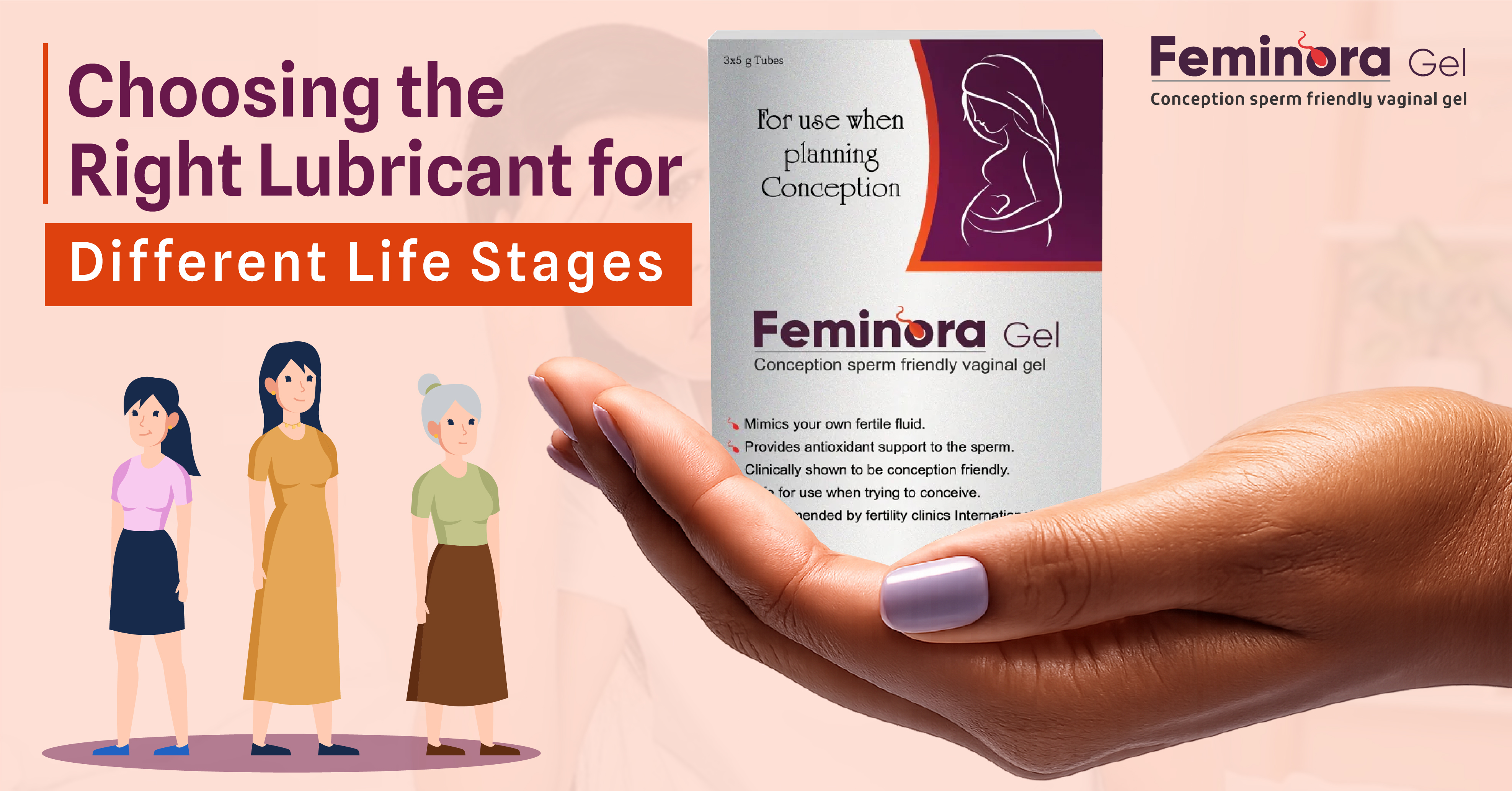
Choosing the right vaginal lubricant gel for different life stages helps maintain intimate comfort as the body changes over time. Hormonal shifts, stress, pregnancy, postpartum recovery, and menopause can all affect natural lubrication levels. Using the right type of lubricant at each stage supports vaginal comfort, pH balance, and intimacy. This guide explains how lubrication needs change and how to choose safely and confidently at every phase of life.
Why Lubrication Needs Change Across Life Stages
The body’s lubrication needs are not constant throughout life. Hormonal changes, lifestyle demands, stress levels, and health conditions all influence vaginal moisture and sensitivity.
Natural lubrication is largely regulated by estrogen levels and blood flow. When hormones fluctuate or daily stress increases, lubrication may reduce, leading to dryness, irritation, or discomfort. These changes are normal, but they require different approaches at different stages.
Choosing the right lubricant at each life stage helps maintain comfort, confidence, and overall intimate health.
Understanding Different Types of Intimate Lubricants
Before selecting a lubricant based on life stage, it is important to understand the basic types available.
Water-Based Lubricants
Water-based lubricants are lightweight, non-greasy, and suitable for regular use. They are commonly recommended for daily comfort and sensitive skin.
Silicone-Based Lubricants
Silicone-based lubricants last longer and require less frequent reapplication. They are often used occasionally rather than daily.
Oil-Based Lubricants
Oil-based lubricants are thicker but may cause irritation or residue buildup with frequent use and are generally not recommended for vaginal use.
For most life stages, water-based and pH balanced lubricants are considered the safest option.
Choosing a Lubricant in Early Adulthood
In early adulthood, natural lubrication is usually sufficient, but lifestyle factors can still cause dryness or discomfort.
Common Factors Affecting Lubrication
- Stress related to work or studies
- Irregular sleep patterns
- Use of hormonal contraceptives
- Dehydration
What to Look for in a Lubricant
A gentle, water-based lubricant with minimal ingredients is often ideal. It should support natural moisture without altering vaginal balance.
Using lubricant at this stage is often about comfort and prevention rather than correction.
Lubricant Needs During High-Stress and Career Phases
Stress plays a major role in vaginal dryness and sensitivity. During demanding career phases or periods of chronic stress, cortisol levels rise and estrogen balance may be affected.
Stress-Related Lubrication Changes
- Reduced natural moisture
- Increased sensitivity or irritation
- Discomfort during intimacy or daily movement
Best Lubricant Choice
A pH balanced, water-based lubricant gel can help restore comfort without interfering with the body’s natural response. Regular use during stressful periods can reduce friction and irritation.
Stress-related dryness is common and does not indicate a long-term problem when managed correctly.
Pregnancy and Postpartum Lubrication Considerations
Pregnancy and postpartum periods bring significant hormonal shifts that directly impact vaginal health.
During Pregnancy
Increased blood flow may improve lubrication for some, while others experience dryness or sensitivity due to hormonal fluctuations.
A lubricant used during pregnancy should:
- Be water-based
- Be free from harsh additives
- Support pH balance
Postpartum and Breastfeeding
After childbirth, estrogen levels often drop, especially during breastfeeding. This can lead to dryness, tightness, or discomfort.
At this stage, a gentle lubricant helps support tissue comfort and healing without disrupting natural recovery processes.
Choosing the Right Lubricant During Perimenopause
Perimenopause is the transitional phase before menopause and is often associated with unpredictable hormonal changes.
Common Changes in This Stage
- Irregular lubrication
- Increased vaginal dryness
- Sensitivity and irritation
Ideal Lubricant Features
A pH balanced vaginal lubricant helps protect delicate tissues as estrogen levels fluctuate. Regular use can improve comfort during daily activities and intimacy.
Perimenopause is often when women first notice the need for consistent lubrication support.
Lubricants for Menopause and Beyond
Menopause brings a long-term reduction in estrogen, which affects vaginal elasticity, moisture, and thickness.
Common Menopause-Related Concerns
- Persistent dryness
- Discomfort during intimacy
- Increased sensitivity
Best Lubricant Choice
Water-based, pH balanced lubricants are commonly recommended for ongoing use during menopause. These products help maintain moisture and reduce friction without irritation.
Daily or regular use may be beneficial at this stage to support comfort and quality of life.
How to Select a Lubricant That Grows With You
Choosing a lubricant is not a one-time decision. Needs may change over time.
Key Factors to Consider
- pH balance
- Ingredient simplicity
- Compatibility with sensitive skin
- Suitability for frequent use
Common Mistakes When Choosing Lubricants
Ignoring Ingredient Labels
Products with fragrances or strong additives may increase irritation, especially with regular use.
Choosing Based Only on Occasion
Lubricants should be chosen for overall vaginal health, not just intimacy.
Assuming Dryness Is Always Age-Related
Stress, lifestyle, and health factors affect lubrication at any age.
Avoiding these mistakes helps maintain balance and comfort.
Frequently Asked Questions
Do lubrication needs really change with age?
Yes. Hormonal changes, stress levels, and health factors influence lubrication at different life stages.
Is it safe to use lubricant daily at any age?
Daily use is generally safe when using a water-based, pH balanced lubricant designed for frequent use.
Can younger women use lubricants regularly?
Yes. Lubricants are not age-specific and can be used whenever dryness or discomfort occurs.
Should I change lubricants during menopause?
Many women benefit from switching to more supportive, pH balanced formulations during menopause.
Final Takeaway
Vaginal lubrication gel needs evolve throughout life, influenced by hormones, stress, and physical changes. Choosing the right lubricant for different life stages helps maintain comfort, balance, and intimacy without disrupting natural vaginal health. By understanding your body’s changing needs and selecting gentle, pH balanced solutions, intimate wellness can be supported confidently at every stage of life.
Apr 15, 2026