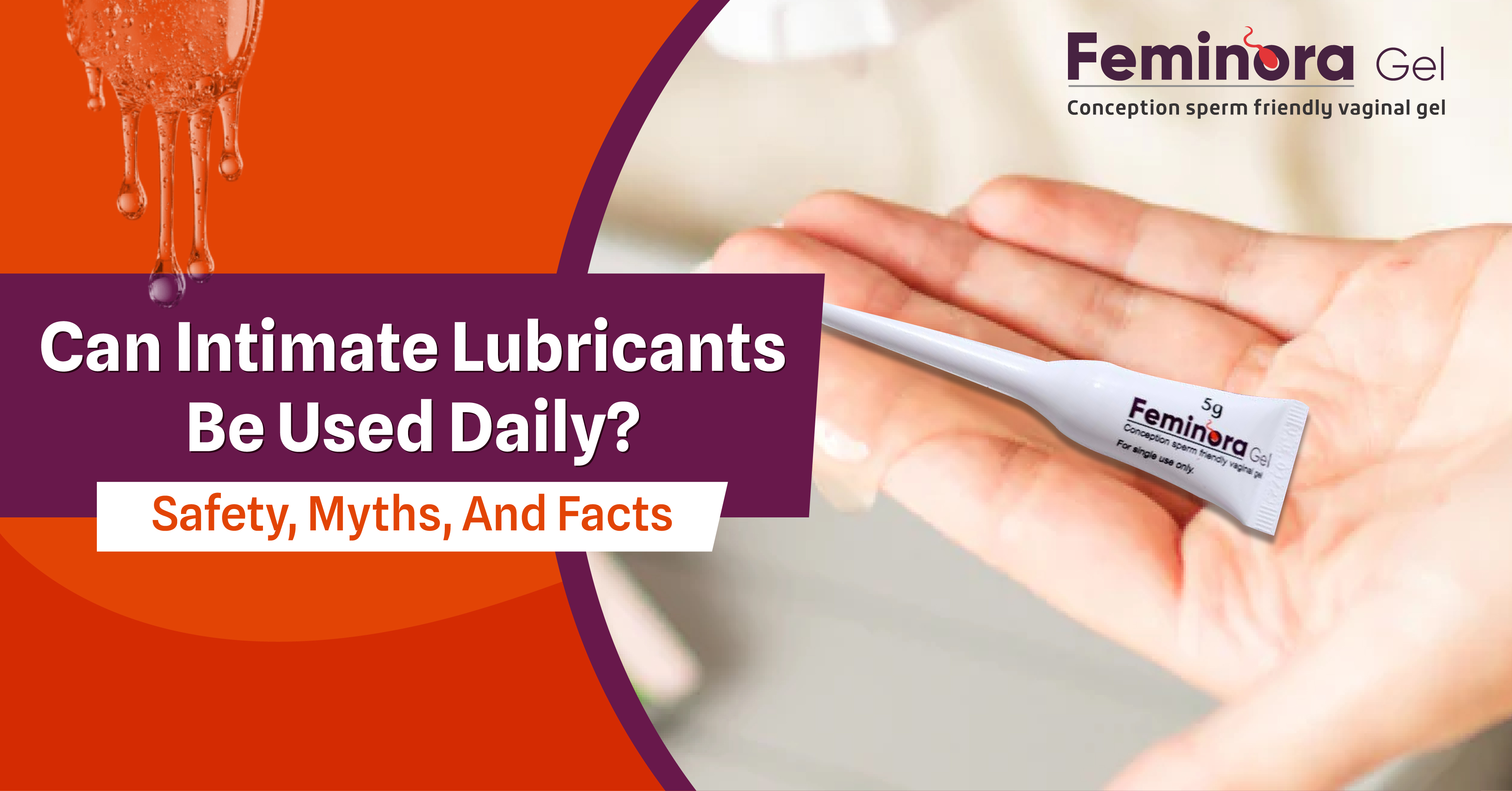
Intimate lubricants can be safely used daily when they are formulated with gentle, body-friendly ingredients. Daily use is common for managing dryness, friction, and intimate discomfort caused by stress, hormonal changes, aging, or lifestyle factors. Understanding lubricant types, ingredients, and common myths helps prevent irritation and misuse. This guide explains safety considerations, facts, and best practices for incorporating intimate lubricants into daily care routines.
Understanding Intimate Lubricants
Intimate lubricants are products designed to reduce friction and improve comfort in the vaginal area. While they are commonly associated with sexual activity, lubricants also play an important role in everyday intimate wellness.
Many women experience vaginal dryness or discomfort due to hormonal changes, stress, medications, breastfeeding, menopause, or lifestyle factors. In such cases, lubricants help supplement natural moisture and reduce irritation during daily activities such as walking, sitting, exercising, or wearing fitted clothing.
When used correctly, intimate lubricants support comfort without interfering with the body’s natural functions.
Why People Use Intimate Lubricants Daily
Daily use of intimate lubricants is more common than many people realize. Vaginal dryness and discomfort are not limited to intimate moments.
Some common reasons for daily use include:
- Persistent vaginal dryness
- Discomfort caused by tight clothing or prolonged sitting
- Hormonal fluctuations related to stress or aging
- Postpartum or breastfeeding-related dryness
- Menopause or perimenopause symptoms
- Sensitivity caused by soaps or hygiene products
Daily lubricant use is often about maintaining comfort and preventing irritation rather than enhancing intimacy alone.
Can Intimate Lubricants Be Used Daily?
Yes, intimate lubricants can be used daily when they are designed for regular use and applied appropriately. Many healthcare professionals consider daily use safe for individuals experiencing ongoing dryness or friction.
Daily use is generally safe when:
- The lubricant is water-based or specifically labeled for frequent use
- The formulation is pH balanced
- It does not contain harsh or irritating ingredients
Lubricants should work alongside the body, not override natural lubrication or vaginal balance.
Common Myths About Daily Lubricant Use
Myth 1: Daily Lubricant Use Causes Dependency
A common concern is that using lubricant daily may make the body “dependent” on it. In reality, lubricants do not stop the body from producing natural lubrication. Dryness is usually linked to hormones, stress, or health factors, not lubricant use.
Myth 2: Lubricants Are Only for Sexual Activity
Lubricants are often recommended for daily comfort, especially for women who experience dryness during normal movement or daily routines.
Myth 3: Daily Use Increases Infection Risk
Using a pH balanced lubricant does not increase infection risk. In fact, maintaining moisture and reducing friction can help protect delicate tissues from irritation.
Myth 4: All Lubricants Are Safe for Daily Use
Not all lubricants are suitable for frequent use. Some contain ingredients meant only for occasional use, making product selection important.
Facts You Should Know Before Daily Use
Ingredient Quality Matters
Ingredients play a major role in daily safety. Lubricants with gentle, skin-friendly formulations are better suited for regular use.
Avoid products that contain:
- Strong fragrances
- Alcohol
- Artificial dyes
- Harsh preservatives
These ingredients can increase dryness or irritation over time.
pH Balance Is Essential
The vaginal area has a natural pH that helps protect against irritation and infections. Using a pH balanced intimate lubricant supports this environment and reduces disruption during daily use.
Frequency Should Match Need
Daily use does not mean constant reapplication. Using lubricant when dryness or discomfort appears is usually sufficient.
Types of Intimate Lubricants and Daily Safety
Water-Based Lubricants
Water-based lubricant is widely recommended for daily use. They are lightweight, non-greasy, and easy to clean, making them suitable for regular application.
Silicone-Based Lubricants
Silicone-based lubricants last longer but may not be ideal for daily use in all individuals. They are often better suited for occasional use.
Oil-Based Lubricants
Oil-based lubricants may increase the risk of irritation or residue buildup when used daily and are generally not recommended for frequent vaginal use.
Understanding lubricant types helps ensure safety and comfort with regular use.
Choosing the Right Lubricant for Everyday Use
Look for Water-Based Formulations
A water-based lubricant gel is often the safest choice for daily comfort. These gels are breathable and compatible with the body’s natural moisture.
Prioritize pH Balanced Products
A pH balanced vaginal lubricant supports the natural vaginal environment and reduces the likelihood of irritation with frequent use.
How to Use Intimate Lubricants Safely
Apply Only as Needed
Use a small amount to relieve dryness or discomfort. Overapplication does not provide additional benefit.
Maintain Proper Hygiene
Always apply lubricant with clean hands and store the product according to instructions.
Observe Changes
If irritation, itching, or unusual symptoms occur, stop use and seek medical advice.
Combine With Gentle Intimate Care
Avoid harsh soaps and use mild, intimate-friendly cleansers to support overall vaginal health.
When Daily Lubricant Use May Not Be Enough
While lubricants can greatly improve comfort, they do not treat underlying medical conditions.
Consult a healthcare professional if:
- Dryness is severe or persistent
- Pain occurs regularly
- There is unexplained discharge or odor
- Symptoms worsen despite lubricant use
Lubricants are supportive tools, not replacements for medical care when needed.
Frequently Asked Questions
Is it safe to use intimate lubricants every day?
Yes. Using a water-based, pH balanced lubricant designed for frequent use is generally safe for daily application.
Can daily lubricant use affect natural lubrication?
No. Lubricants do not interfere with the body’s ability to produce natural moisture.
Are lubricants useful if I am not sexually active?
Yes. Many women use lubricants daily for comfort during regular activities.
How do I know if a lubricant is suitable for daily use?
Check for water-based formulation, pH balance, and gentle ingredients suitable for sensitive skin.
Final Takeaway
Intimate lubricants can be safely used daily when chosen thoughtfully and used correctly. Understanding myths, prioritizing pH balance, and selecting gentle, water-based lubricant formulations allows lubricants to support everyday comfort without disrupting vaginal health. With the right approach, daily lubricant use becomes a simple and effective part of long-term intimate wellness.
Mar 25, 2026